Three days in Valencia work best when you give each day a different focus: the old town, the Turia Gardens and modern architecture, then the waterfront. This is a suggested itinerary, not a race between ticketed attractions. Choose one substantial indoor visit each day and leave the rest flexible. You do not need a rental car for this version of the trip; the useful planning decisions are where to stay, how much walking you want, and which reservations actually matter.
The order is adjustable. Put the market day on a trading day, move the beach to the most pleasant forecast, and keep an indoor alternative ready. If your three days include arrival and departure, treat the final day as a half-day rather than pretending you have three complete sightseeing days.
Where to stay for this itinerary
For a first visit, compare a central address with an address near a useful transport connection. Ciutat Vella puts the historic sights close together, but a room facing a busy square may not suit an early sleeper. The Eixample side of the centre can work if you prefer returning to a neighbourhood outside the main sightseeing streets. A waterfront hotel makes sense when the beach is your priority, but it adds a journey to your old-town day.
Do not judge a hotel only by its neighbourhood label. Check the actual route from the nearest stop, stairs at the property, lift availability, late check-in instructions and whether the bedroom faces a nightlife street. With luggage or limited mobility, a slightly less central hotel with a straightforward arrival can be the better choice. Use the official city map to group places before booking.
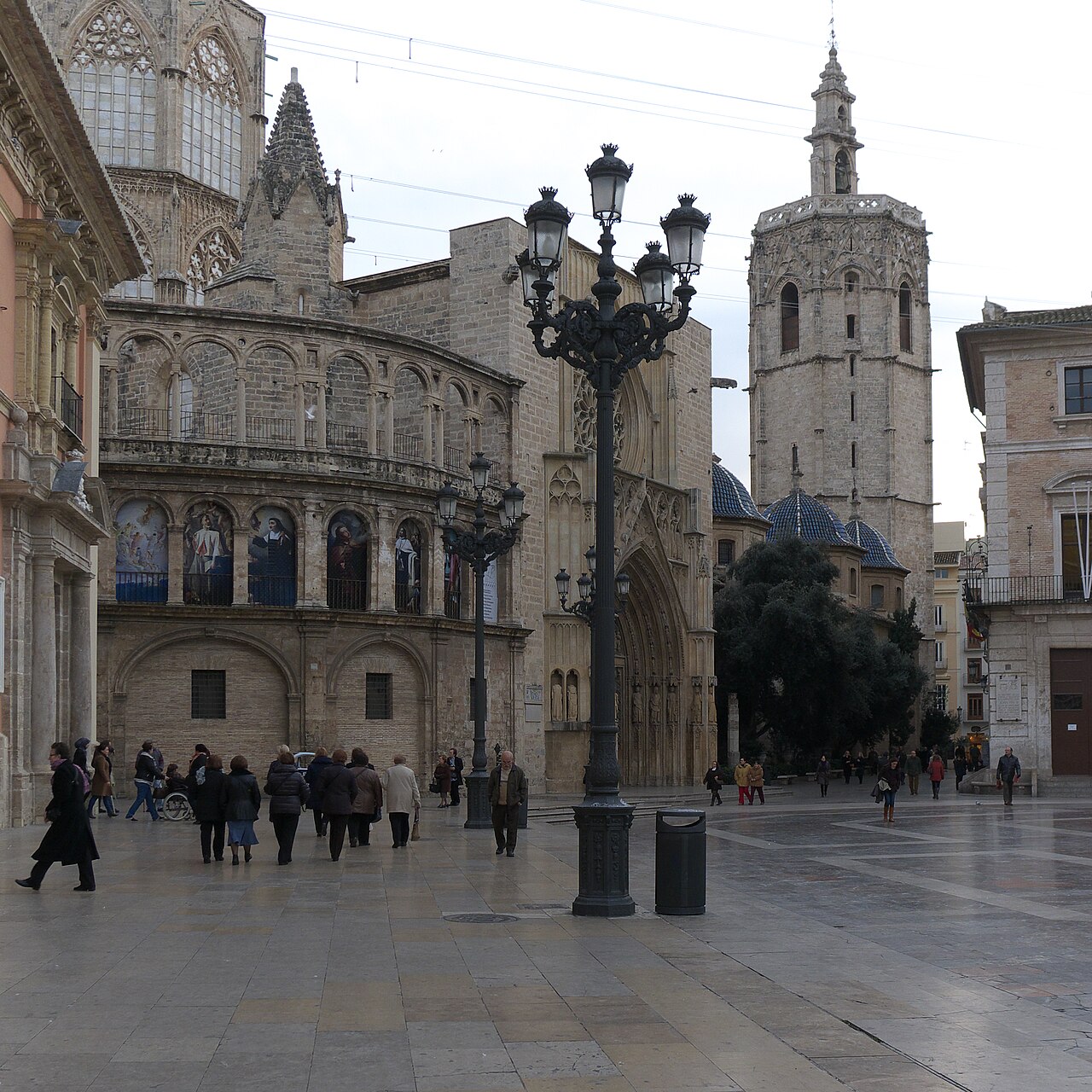
Day 1: the historic centre, with time to stop
Start around the Central Market and La Lonja, then walk towards the cathedral area and Plaza de la Virgen. The value of this sequence is proximity: you spend your time exploring rather than crossing the city. The official tourism listing gives the Central Market's normal trading hours as Monday to Saturday, 07:30–15:00, with Sunday and public-holiday closures. Recheck the market listing for your date and do not save it for a late-afternoon visit.
The market is a working place to shop, not simply a photo backdrop. Keep passageways clear and ask before photographing a stallholder closely. Buy something you genuinely want rather than treating every counter as a free tasting opportunity. If it is closed, keep the old-town walk but replace the market interior with a café stop; there is no need to abandon the whole day.
Choose either La Lonja or a cathedral visit as your main interior, according to your interests and the current opening arrangements. A tower climb is optional, not an essential badge of completion. Check stairs and access conditions before buying tickets. After lunch, continue slowly through El Carmen towards the Serranos area, or shorten the walk and spend longer over a single museum.
Leave the evening unstructured. Choose dinner near your accommodation if you are tired instead of crossing town for a restaurant you found in an old list. Ask what a rice dish contains, whether it is priced per person and whether a minimum order applies. Dietary needs deserve a clear conversation rather than assumptions based on the word “paella”.
Day 2: a section of the Turia and one major attraction
The Turia Gardens occupy the former riverbed and link different parts of the city. The tourism board's garden guide explains their setting and access. For this itinerary, choose a manageable section towards the City of Arts and Sciences rather than trying to walk the entire park. Check the descent into the gardens and the exit you need; a map pin on a bridge is not necessarily the nearest step-free access.
Bring water, stop before you are exhausted and stay aware of cycle routes. A long park walk followed by several hours standing inside an attraction can be more tiring than the map suggests. If you are travelling with children or someone who prefers shorter walks, take transport for part of the journey and keep the garden as a short stop.
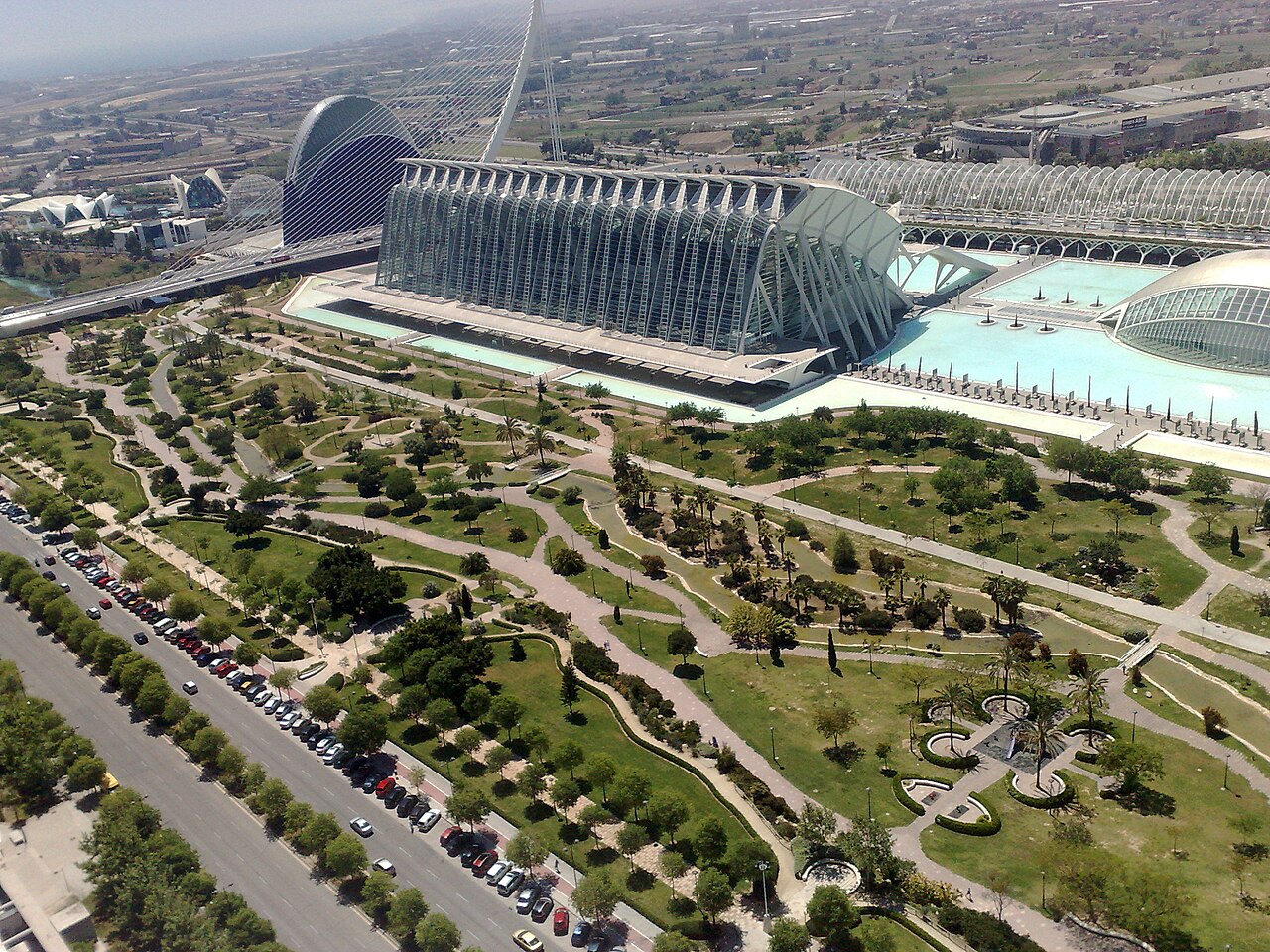
At the City of Arts and Sciences, decide whether you want architecture outside or a substantial indoor visit. Do not automatically buy the biggest combination ticket. The complex's official FAQ recommends allowing significant time for its venues and suggests spreading a relaxed full visit over more than one day. For a three-day city break, selecting one main venue is usually a more comfortable editorial choice than attempting every building.
Check the actual date, session language where applicable, entry conditions and closing time before paying. A timed show is not interchangeable with an open-ended museum visit. Keep the evening free of another major reservation so a slow lunch, a tired child or a longer-than-expected exhibition does not derail the trip.
Day 3: the waterfront, or a shorter city day
Use public transport to reach the maritime side of the city, choosing your route from your accommodation rather than copying a bus number without checking it. A useful plan is a waterfront walk, lunch, and time around the beach or nearby streets. Swimming is optional and depends on the season, conditions and local guidance. The point of this day is a change of setting, not a promise of beach weather.
If the forecast is wet or windy, substitute an indoor attraction you deliberately left out on day one. Do not attempt the beach, a large museum and an airport transfer just to preserve the original schedule. On a departure day, calculate backwards from the journey you must make, including time to collect stored luggage. Keep the final activity close to the route you need.
Airport transport and tickets: check the journey, not just the price
The official tourist-card information lists airport metro travel on lines 3 and 5 among its included journeys. Check the current card conditions and the Metrovalencia journey information for your exact arrival. Airport coverage, ticket zones, validity and any service changes matter more than an old fare quoted by a blog.
A tourist card is not automatically the cheapest choice. Write down the journeys and included attractions you realistically expect to use, then compare their current cost with the card. If most of your time is spent walking and you want only one paid attraction, your calculation may look very different from that of a frequent transit user. Check the last available service for late arrivals and keep a legitimate backup transfer option.
A practical three-day overview
| Day | Main area | Commitment to check | What to cut first |
|---|---|---|---|
| 1 | Historic centre | Market trading day and chosen interior | Optional tower climb |
| 2 | Turia and modern architecture | One attraction or timed session | Extra park distance |
| 3 | Waterfront | Transport and departure buffer | Any additional cross-city detour |
Budget and packing decisions
Build your budget from accommodation, airport journeys, local transport, the attractions you actually choose, meals and a contingency. Avoid a single daily figure that quietly excludes your hotel or expensive venue tickets. Compare accommodation totals including applicable charges, cancellation terms and arrival arrangements, not just the first price displayed.
Pack comfortable footwear, a refillable bottle, sun or rain protection appropriate to the forecast, and a charged phone with an offline map. Our carry-on packing guide helps keep a short city trip manageable. If you enjoy this car-free approach, the Portugal train itinerary offers a different way to build a longer journey around transport rather than parking.
Frequently asked questions
Do I need a car for three days in Valencia?
Not for the itinerary proposed here. It is organised around a central stay, walking and public transport, with no remote day trips. If you add places outside the city, reassess the actual connection rather than assuming the same plan still works. Choose accommodation around your mobility needs, not around a desire to avoid every single transit journey.
Can I fit everything into two days?
Keep the historic centre and choose either the modern complex or the waterfront as your second focus. Trying to compress three complete programmes usually removes the relaxed meals and recovery time that make a short break enjoyable. If arrival is late, count that evening as arrival rather than as a sightseeing day.
What should I reserve first?
Start with accommodation and any attraction or timed session you would be disappointed to miss. Then check transport and market opening against your dates. Leave ordinary walks flexible. Booking every meal and museum in advance can make a small delay unnecessarily expensive and turn the trip into a sequence of deadlines.
What if I cannot walk long distances?
Reduce the Turia section, choose one compact old-town circuit and use transport between areas. Ask venues and accommodation about the specific access you need, including lifts, thresholds and toilets. “Central” and “flat city” are not substitutes for an accessible route from a stop to the actual entrance.
The simplest way to make the trip work
Choose a convenient base, protect one main activity per day and let weather determine the waterfront slot. Valencia does not need to become a checklist of every attraction to justify a three-day visit. A clear geographical plan, current transport information and permission to leave something out are more useful than a crowded schedule.