Four days in Taipei are enough for a satisfying introduction if you resist turning every day into a different excursion. Give the city two complete days, choose one contrasting outing, and leave the last day adjustable. This suggested programme combines neighbourhood walks, cultural stops and food without treating a night market as an extra obligation after an already exhausting schedule.
The sequence is flexible. Move outdoor time to the better forecast and check closure days before reserving a museum. If your fourth day includes a flight, it is a departure day with optional sightseeing, not another full day to spend far from your luggage.
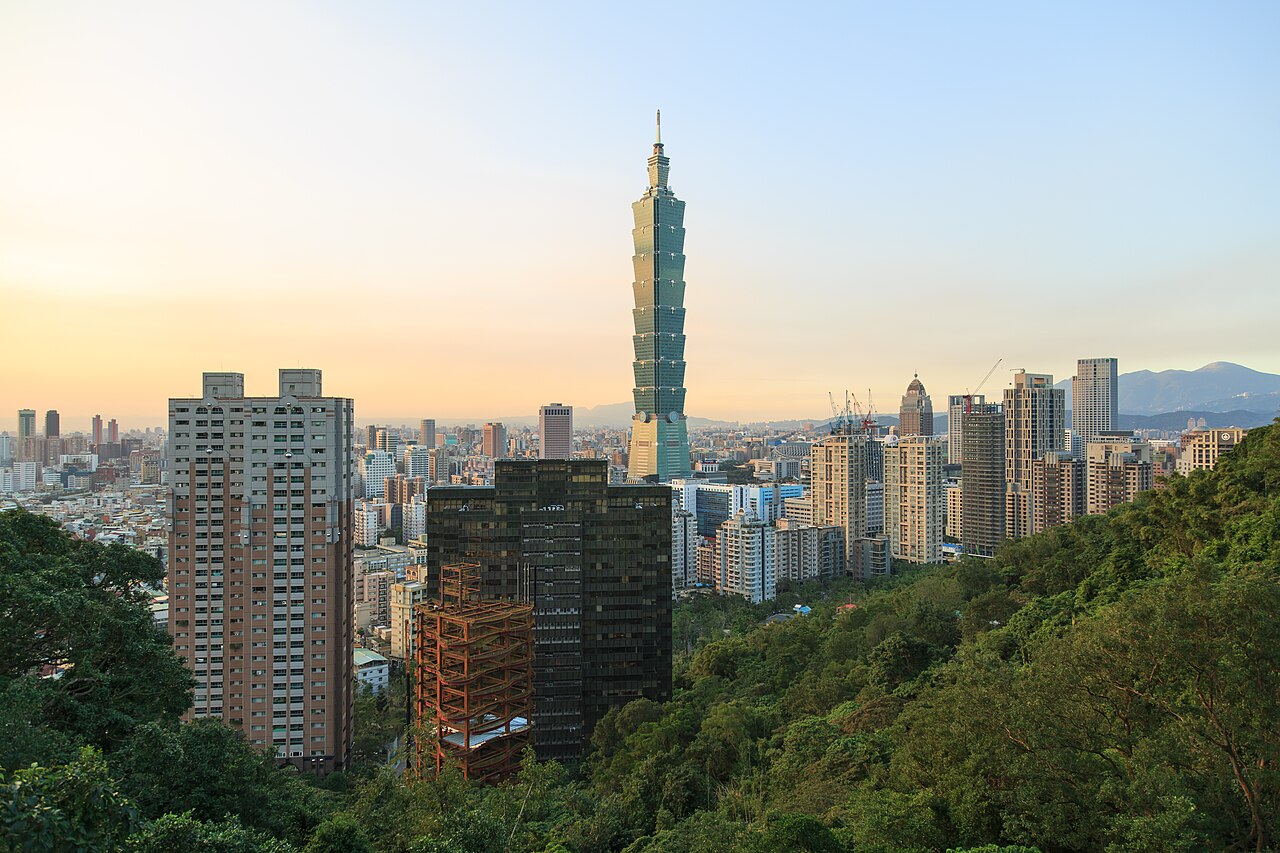
Choose a base by the station-to-door journey
Shortlist accommodation with a useful metro connection and an uncomplicated final walk. Around a major interchange, check the exit you actually need: a hotel that looks close on a map can be much less convenient when you use the wrong side of a large station. Ask about lifts, check-in hours and luggage storage rather than relying on a general “central location” label.
Keep airport arrival separate from city transport planning. Taoyuan Metro and Taipei Metro are the relevant official starting points for their respective services. Confirm the airport on your ticket, the operating time and the final journey to your accommodation. Do not assume a late landing guarantees a rail connection after immigration and baggage collection.
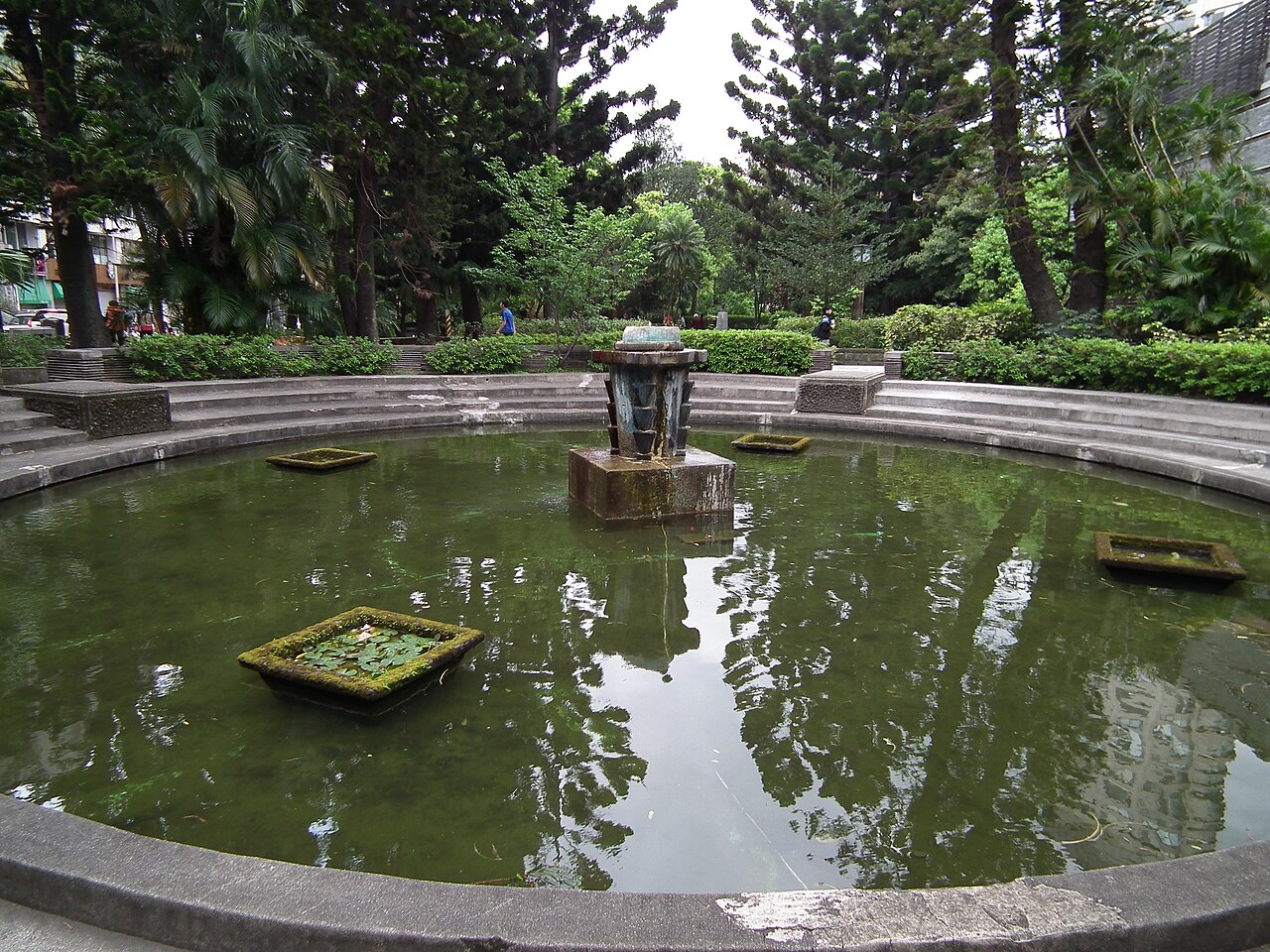
Day 1: a gentle introduction, not a test of stamina
Begin with a compact walk around your base or a central neighbourhood such as the Zhongshan area. Use the morning to understand station access, payment and your preferred pace. Add one cultural stop rather than collecting a long list of distant photo locations. The official Taipei Travel portal is useful for checking individual attractions and seasonal information.
After lunch, choose a second nearby area or a single substantial indoor visit. If you have arrived after a long flight, a break at the hotel is a sensible part of the plan. For the evening, choose one food area and browse before ordering. Smaller purchases leave room to try different dishes; ordering the first large meal you see can end the exploration prematurely.
Day 2: culture with one clear anchor
Choose the cultural visit you genuinely want and build the day around its location. A major museum can deserve a large part of the day, including the journey, queues, lunch and time to read displays. It should not be a brief checkbox squeezed between several neighbourhoods. Verify opening days, booking conditions and any special exhibition arrangements with the venue itself.
Pair that visit with a modest walk rather than another expensive timed reservation. If you prefer historic streets, Dadaocheng offers a different focus from the modern retail areas. Treat shops and places of worship respectfully: opening doors are not invitations to enter private spaces, and photography rules can vary. Take breaks before you become hungry and tired rather than waiting until every restaurant is busy.
Day 3: choose Beitou or another single outing
Beitou is a useful candidate for a change of setting without making the day a cross-country exercise. Check the exact locations you want to visit and whether they are open. A neighbourhood walk, an indoor cultural stop and a relaxed meal are enough; a bathing experience is optional, and each venue has its own rules and admission arrangements.
Do not assume every hot-spring facility has the same clothing, age or booking policies. Read the operator's information before paying and choose according to comfort and preferences. If you would rather take a more distant excursion, replace Beitou rather than adding it. Account for both the journey out and the return, especially if weather may change during the afternoon.
Day 4: keep a weather and departure buffer
Use the final day for the activity you postponed, a quieter neighbourhood walk or shopping close to the route you need. If your flight is that evening, work backwards from the airport journey and include time to retrieve luggage. A memorable final lunch is more enjoyable when you are not watching an unrealistic transfer deadline.
If you have a full fourth day, choose an additional attraction based on your interests, not because a standard itinerary includes it. A viewpoint is less rewarding when visibility is poor. An indoor option can be the better choice without making the visit a failure. Keep the last evening simple enough that packing and departure preparations do not start at midnight.
Two versions of a flexible day
| Conditions | Main plan | Keep flexible |
| Pleasant weather | A neighbourhood walk and one outdoor stop | A longer café break or indoor visit |
| Persistent rain | One substantial museum or indoor attraction | A short walk only if conditions improve |
| Disrupted services or severe weather | Follow official advice and reconsider travel | Reservations that can be changed |
A rainy-day plan is not the same as a severe-weather plan. Follow current local warnings and transport notices; an itinerary should never become a reason to ignore them.
Night markets without a checklist mentality
Choose one market that fits your route and available energy. Look at menus and prices, carry an appropriate payment method, and ask about ingredients if you have dietary restrictions. A busy stall is not a guarantee that a dish meets your needs. Never infer the absence of allergens from a photograph or an unfamiliar dish name.
Bring only what you need for the evening, keep belongings secure and do not block the path while photographing food. If you dislike crowds, arrive earlier or choose a quieter dinner instead. You do not have to enjoy every popular travel activity to have a worthwhile visit.
Budget, packing and useful connections
Separate accommodation, airport transport, city journeys, attraction tickets and meals in your budget. A low daily spending estimate is misleading when it excludes a major museum or your hotel. Compare booking flexibility as well as price, especially if your programme includes weather-dependent activities.
For a similar approach to avoiding overfull days, see our first-time Kyoto guide. The Tokyo neighbourhood guide explains how to choose a base around real journeys. Pack for the forecast and use an offline map; neither a second city guide nor a beautiful route screenshot replaces current local information.
Frequently asked questions
Is four days too long for Taipei?
Not if you want time for cultural visits, food and an outing without moving constantly. You can shorten the plan by dropping the excursion and keeping two city days. The right length depends on your interests and arrival times rather than a universal number of must-see places.
Should I buy every ticket in advance?
Reserve the limited-capacity visits you care about and check the rest individually. Keep ordinary walks flexible. Too many prepaid deadlines make a weather change or slow morning unnecessarily costly.
Can I use the same entry information in both languages?
No. Language does not establish nationality or eligibility to enter. Check the official requirements that apply to your passport, purpose of travel and transit route. This itinerary is not an immigration guide.
A good first visit leaves room to return
Keep two days rooted in the city, make one deliberate choice for an outing and preserve a final buffer. A manageable programme lets you enjoy a neighbourhood rather than merely record that you passed through it.