Exploring the Scottish Highlands Without a Car
A useful trip is built around realistic choices rather than an overloaded checklist. This guide focuses on practical decisions, trade-offs and simple ways to keep plans flexible without losing the character of the destination.
What is realistic without driving
The Scottish Highlands are possible without a car, but not every remote glen is equally accessible. The strongest car-free trips connect rail or coach hubs with one base, a guided day and short walks from town. Trying to reproduce a road-trip map by public transport usually creates long waits and fragile connections.
Choose a route around transport frequency, not just scenery. Fort William, Inverness and Aviemore can work as hubs for different styles of trip, while Skye requires more careful bus planning or a tour. Check the current timetable before booking accommodation.
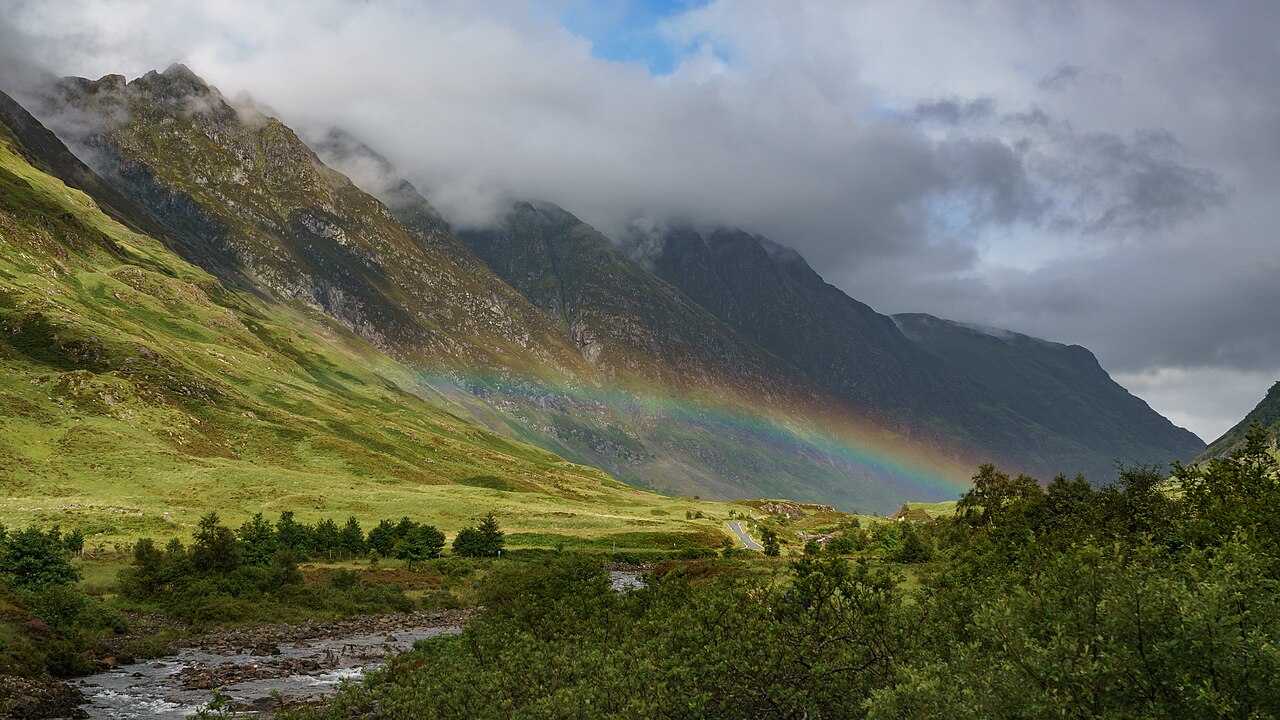
Rail and coach hubs
Rail is especially useful for journeys from Glasgow or Edinburgh toward the Highlands, while coaches fill gaps between towns. Timetables may be less frequent outside peak periods, and a scenic train journey can still occupy much of a day. Treat the departure board as part of the itinerary.
Book reserved seats when available, confirm the station location and allow time for platform changes. In small places, the bus stop may be a roadside shelter rather than a staffed terminal. Download tickets and keep a backup plan if a connection is missed.
A four-day sample route
A manageable four-day structure is Edinburgh or Glasgow to Inverness, two nights in Inverness, a day trip or guided excursion, then a night in Aviemore or Fort William depending on the onward route. This is less geographically ambitious than a full Highlands loop, but it leaves room for weather and transport.
Day one is for the long transfer and a town walk. Day two can use a local rail or coach excursion. Day three suits a guided landscape tour or a marked hike with a clear forecast. Day four is the onward journey, not a final remote attraction followed by a tight airport connection.
Tours, hiking and weather backups
Tours are not a failure of independent travel; they can connect scattered viewpoints that public transport cannot. For hiking, select a route with a clear start and finish near a bus stop, check daylight and never rely on a mountain forecast from yesterday.
Carry waterproof layers, a map and a charged phone. Replace an exposed ridge with a museum, distillery, castle or shorter low-level walk when conditions deteriorate. Leave your accommodation details with someone if heading into a remote area.
Booking and accessibility
Reserve accommodation close to the station or a reliable bus stop, especially in popular seasons. Ask about step-free access, luggage storage, room heating and the walking surface from the stop. Some historic buildings and rural paths have unavoidable limitations, so specific questions are better than assumptions.
Avoid a late arrival that depends on the last rural bus. Check cancellation terms when weather may disrupt the route, and consider luggage forwarding or a smaller bag for multi-stop travel.
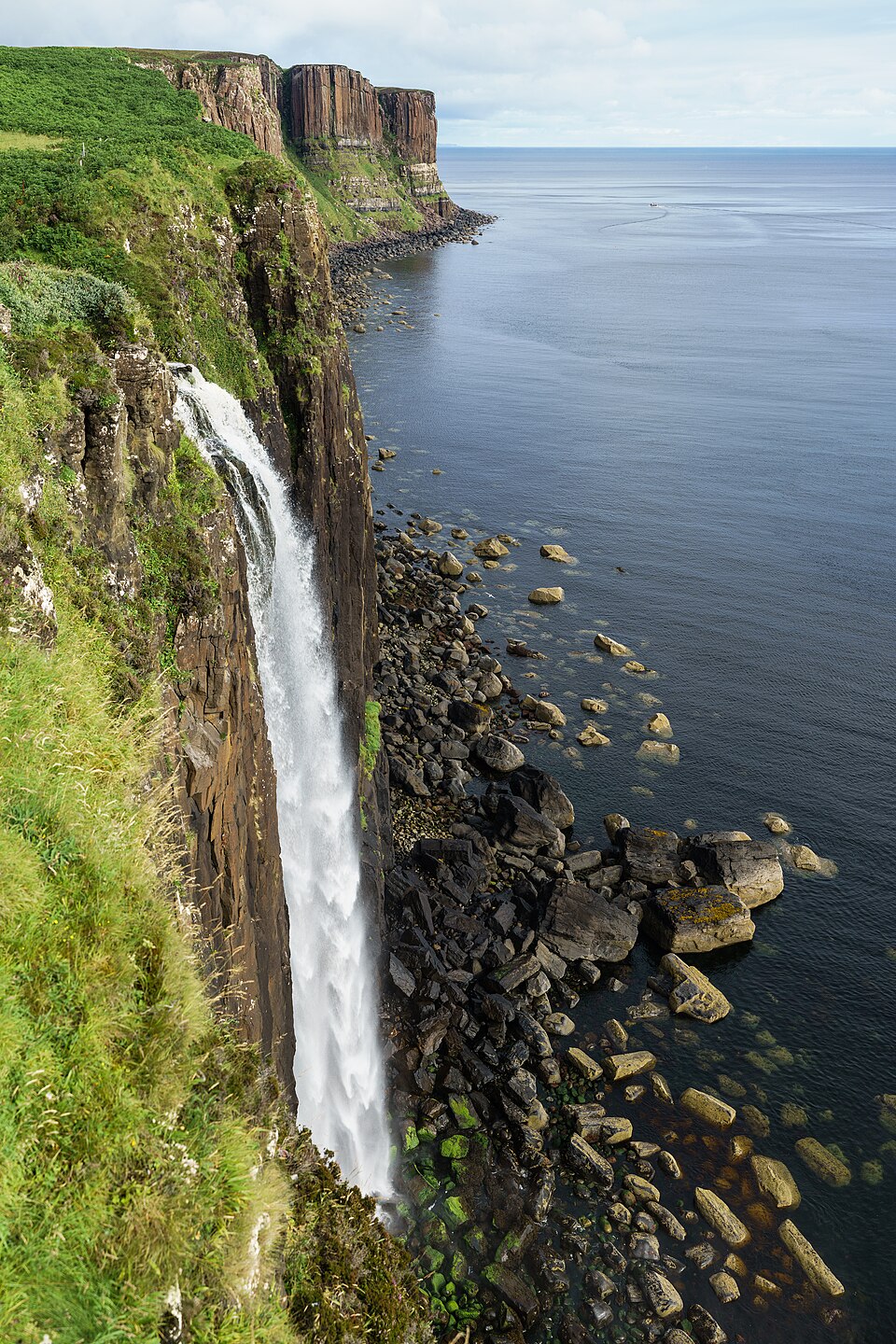
Quick-reference plan
| Priority | Action |
|---|---|
| What is realistic without driving | Check conditions before booking |
| Rail and coach hubs | Keep a weather or transport buffer |
| A four-day sample route | Choose one base before adding distance |
| Tours, hiking and weather backups | Save official information offline |
Frequently asked questions
How far ahead should I plan?
Start with transport and accommodation for the dates that matter most, then keep daily activities flexible. Seasonal services, weather and local opening hours can change, so verify official information close to departure.
Can I do this trip without a car?
Yes, if you choose a realistic base and accept that some remote sights require a tour, taxi or longer transfer. A smaller route with buffers is usually more enjoyable than a complete checklist.
What should I verify before departure?
Check official transport, entry, weather, safety and local authority pages. Save tickets, addresses and emergency information offline, and confirm cancellation terms for fixed bookings.
Final thoughts
Choose fewer fixed commitments, verify official information and leave room for weather, transport and local rhythm. That approach makes the trip more resilient and usually more rewarding.