10 Common Mistakes to Avoid on Your First Trip to Italy
Italy rewards curiosity, but a first visit can become needlessly expensive or rushed when small assumptions meet local rules. The most useful Italy travel mistakes to avoid are not dramatic: too many cities, an unvalidated ticket, a museum closed on Monday, or a restaurant bill that includes charges you did not notice. This guide turns those traps into a simple plan. It covers transport, reservations, meals, regional differences and a pre-departure checklist, without pretending that every town works the same way. Check official pages again before departure, because timetables, entry systems and local taxes change.
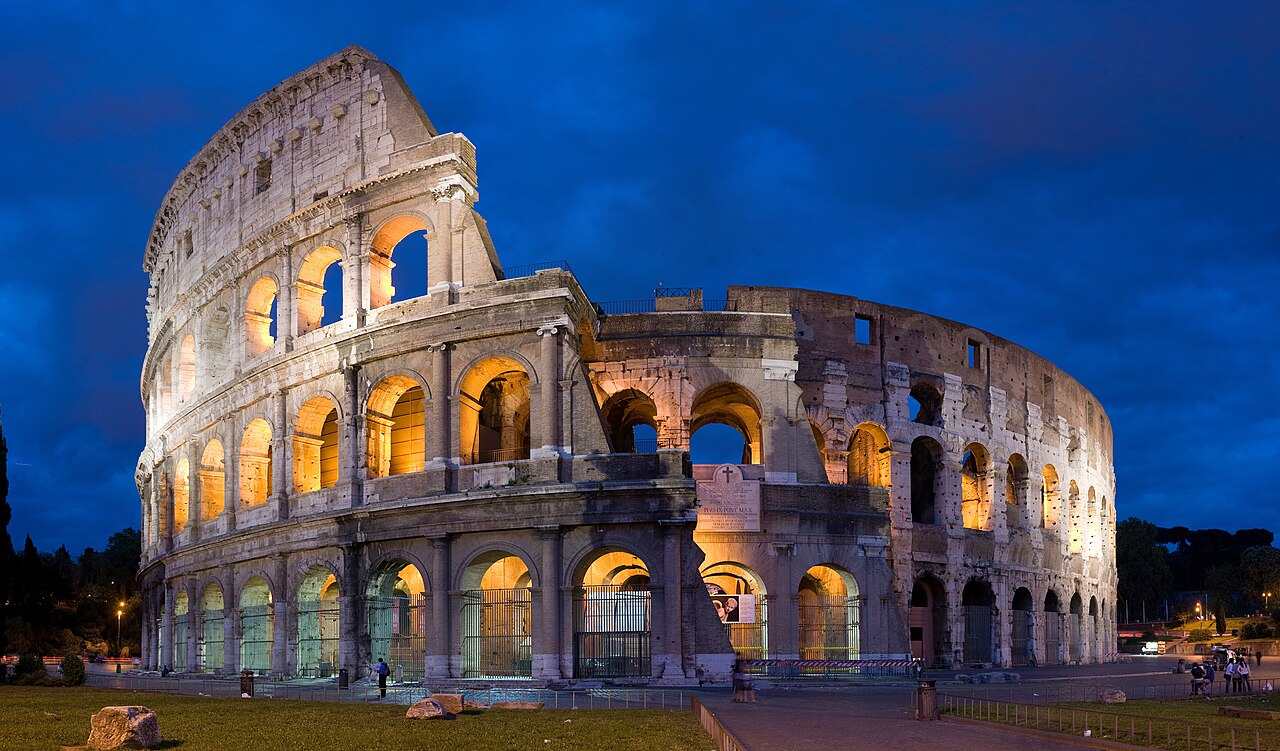
1. Overpacking the itinerary
Mistake 1: counting destinations instead of nights
Italy is a collection of distinct regions, not one compact attraction park. Rome, Florence and Venice may look close on a map, yet each needs time for neighborhoods, queues, meals and the journey between stations and accommodation. Adding the Amalfi Coast, Tuscany and Sicily to a seven-day trip usually creates a luggage-transfer project rather than a holiday.
Choose one base for roughly three nights or more, then add a second only when the transfer is worthwhile. A Rome–Florence–Venice route suits travelers who want major museums and high-speed rail. A slower Puglia or Sicily plan suits those prioritizing food, coast and small towns. Keep the arrival and departure nights near the relevant airport or station when flights are early. Reserve one flexible block each day for weather, closures and an unplanned neighborhood walk.
Build around geography: group sights in the same district, and remember that a day trip is not just the headline train time. Include the walk to the station, local connections, luggage storage and a buffer for delays. A shorter list with realistic margins is one of the best Italy travel mistakes corrections you can make.
2. Misunderstanding train reservations
Mistake 3: assuming every ticket is flexible
Not all Italian trains work alike. High-speed services such as Frecciarossa and Italo normally use a specific train, date and seat, while many regional journeys are sold with more flexible conditions. Trenitalia’s fare and ticket rules explain the distinction; read the conditions attached to your selected fare rather than assuming every ticket is changeable.
For a high-speed journey, compare departure stations, arrival stations and the fare’s exchange or refund deadline before paying. Booking earlier can provide more choice, but a cheap restricted fare is poor value if your itinerary is uncertain. For regional travel, follow the current digital-ticket instructions. If you receive a paper regional ticket, validate it as required before boarding; a digital ticket may instead have a stated activation or check-in process. Never rely on an old blog post or a fellow passenger’s routine.
Save the booking confirmation offline, use the exact passenger name requested, and allow time to find the platform. Stations can have several exits and local buses may not accept the same ticket. On a tight connection, avoid booking the last possible train: separate tickets usually do not protect you from a missed connection. Accessibility assistance should be arranged through the operator in advance where needed.
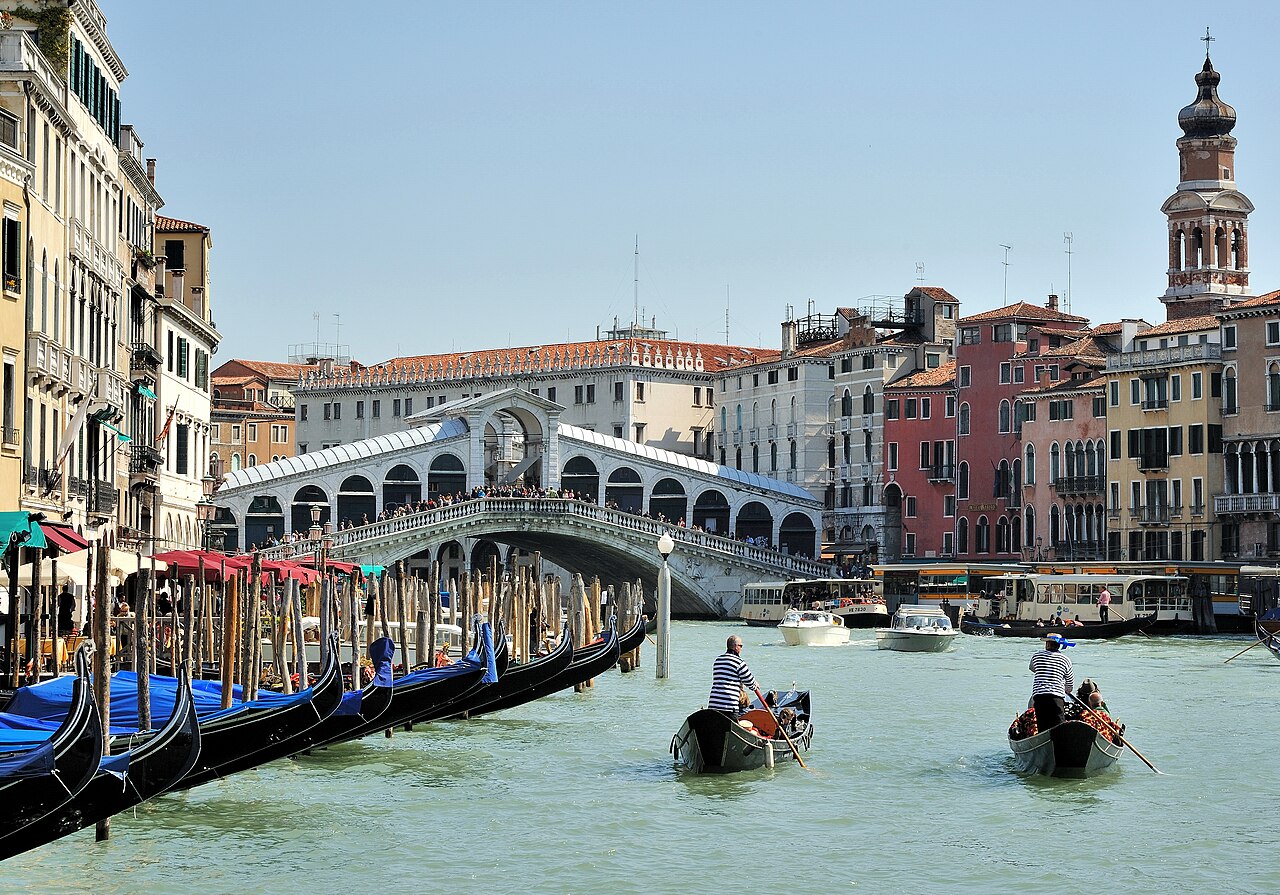
3. Ignoring opening hours and booking rules
Mistake 5: trusting a generic opening-hours listing
“Open today” is not a complete plan. Museums and archaeological sites can have timed entry, security queues, weekly closures, seasonal hours or separate rules for special exhibitions. The Colosseum, Vatican Museums and popular galleries are not interchangeable walk-in stops. Use the attraction’s own official website, confirm the date and note whether the ticket is nominative, timed or refundable.
Book the genuinely scarce experiences first, then arrange flexible sights around them. Check the entry window, accepted identification, bag restrictions and the route from public transport. Print or download confirmations when mobile coverage may be weak. If a site requires a passport or an identity document, carry the same document used for the reservation, while keeping a secure copy separately.
Do not fill every morning with reservations. Leave time for jet lag and for sites where you cannot predict the queue. Religious buildings may have visitor restrictions during services, and dress expectations can be stricter than at a museum. Rules differ by region and municipality, so a national travel blog is only a starting point.
4. Restaurant customs and tourist traps
Mistake 7: sitting down without reading the menu
Italian dining is regional and often later than a rushed sightseeing schedule expects. A menu near a landmark is not automatically bad, but a photographed menu, aggressive solicitation and no visible prices deserve caution. Read the menu before sitting down, ask what is charged by weight, and confirm the price of market-priced fish or specials. Keep the receipt until you have checked the items and any service or cover charge.
Coperto or a service charge may be listed separately, and municipal rules and restaurant practice vary. It is not safe to promise that one universal tipping rule applies everywhere. Tip only when you want to, after checking the bill and local context. In bars, the price can differ between standing at the counter and table service. If you need tap water, ask what is available rather than assuming a free carafe.
Try local specialties, but do not treat a region’s food as a checklist. Bologna, Naples, Sicily and the Alps have different traditions. Ask for allergen information clearly; restaurants must handle food safety, but communication and cross-contact questions still matter. For dietary restrictions, carry a short Italian explanation and allow extra time.
5. Practical checklist before departure
Mistake 9: forgetting variable local charges
Use this final check seven to ten days before leaving, then repeat the transport and entry checks shortly before departure:
- Route: Count nights, transfers and luggage moves; remove one destination if every day is packed.
- Documents: Confirm passport validity, visa or entry requirements for your nationality, travel insurance and copies stored securely.
- Transport: Match each train to the correct station, fare conditions and validation or activation instructions.
- Reservations: Recheck official opening times, timed entries, dress rules and cancellation terms.
- Money: Keep a backup payment method and a little cash; expect municipal tourist tax to vary by destination, accommodation and dates, and ask whether it is collected separately.
- Connectivity: Download maps, confirmations and translation help; save accommodation addresses in Italian.
- Respect and access: Plan shade and water in hot weather, use refill points where permitted, and request mobility assistance early.
Quick reference: mistake and solution
| Mistake | Practical solution |
|---|---|
| Counting destinations instead of nights | Use fewer bases and add geographic day trips only with a buffer. |
| Assuming every train ticket is flexible | Read the fare rules; validate or activate regional tickets as instructed. |
| Booking from an unofficial reseller | Start with the attraction or operator’s official site. |
| Eating without reading charges | Check prices, coperto, service and weight-based items before ordering. |
| Leaving logistics until departure day | Download documents, verify stations and budget for variable local taxes. |
Frequently asked questions
How many Italian cities should I visit on a first trip?
For a week, two or three bases is usually more practical than four or five. Choose by region and transport links: Rome–Florence–Venice is a coherent classic route, while a single southern region can offer a calmer pace. Count door-to-door transfer time, not only the train duration, and protect the arrival and departure days.
Do I need to reserve every train in Italy?
No. High-speed and many long-distance services generally require a specific reservation, while regional travel follows different ticket conditions. Check the current Trenitalia or relevant operator page for the exact service, fare and digital or paper validation instructions. If your connection is important, leave a margin and avoid mixing inflexible tickets.
Is a service charge or tip always required?
No single rule covers every restaurant, bar or region. Read the menu and receipt for coperto or service charges, ask before ordering anything sold by weight, and tip only according to your preference and the local context. A charge should be visible; ask politely if an item is unclear rather than disputing it after payment.
How can I avoid surprise costs?
Use official attraction and transport sites, check fare conditions, and keep a daily buffer for local transport and meals. Ask your accommodation whether municipal tourist tax is included or collected separately; rates and exemptions vary by municipality and traveler category. Do not budget from a single outdated price list.
Final thoughts
The most reliable first trip to Italy is deliberately selective: fewer bases, verified reservations, the correct train procedure and enough unplanned time to notice regional differences. Treat official pages as the final authority, especially for entry, opening hours, fares and municipal charges. That approach prevents avoidable mistakes without turning a holiday into a spreadsheet.
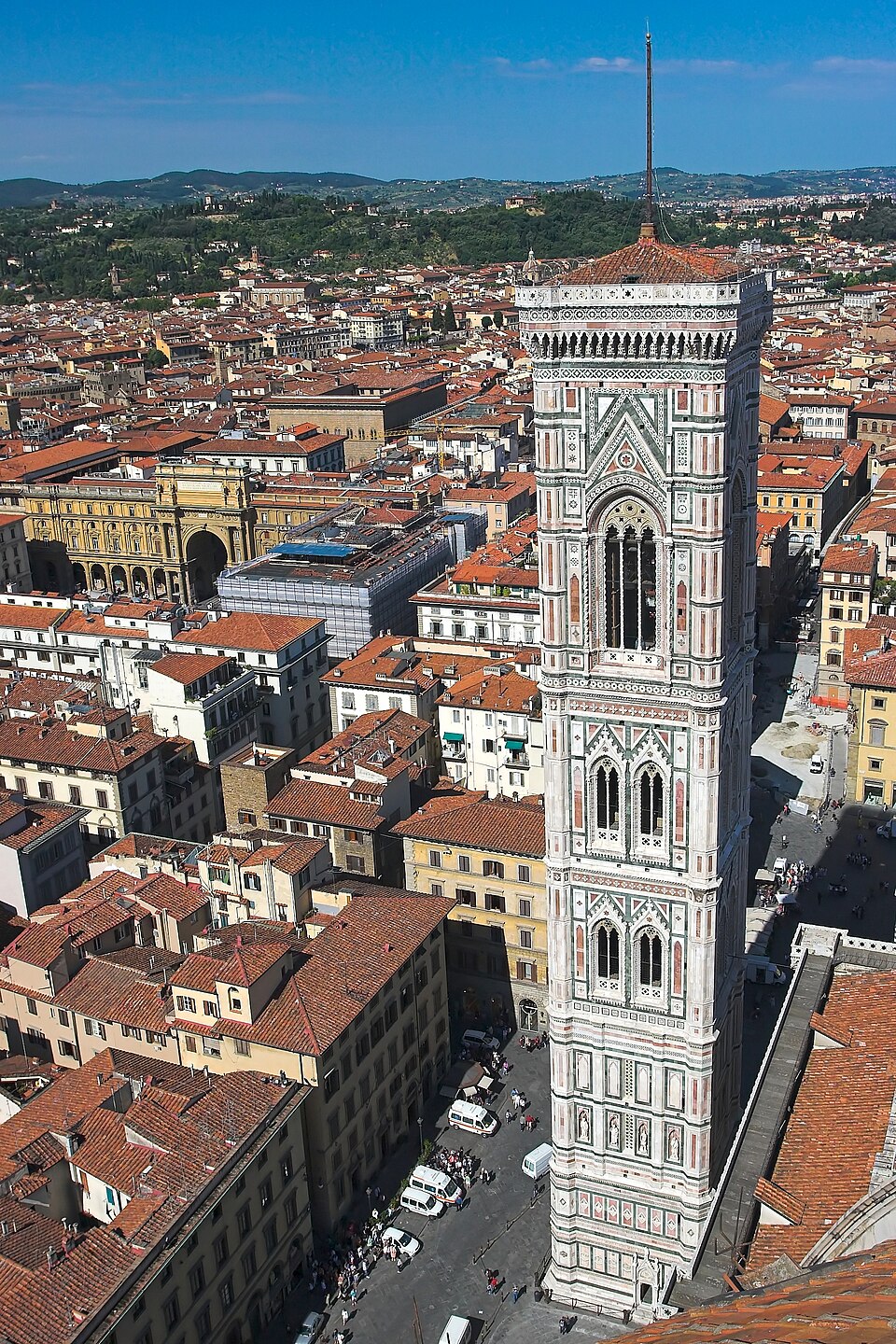
Official source log
- Italia.it — official tourism information (regional travel context and destination planning; checked for current guidance before publication).
- Trenitalia — official site (train types, booking, fares and ticket conditions).
- Trenitalia purchase and ticket information (digital and paper ticket instructions; confirm the displayed rule for the journey).