Portugal by Train: A 7-Day Itinerary
Portugal is compact enough to cross by train, but a good seven-day route is more than simply connecting Lisbon and Porto. Adding Coimbra creates a useful middle stop with a historic university, a walkable old town and a slower rhythm between the two largest cities. This Portugal train itinerary is designed for independent travellers who want practical planning, realistic transit days and no rental car. It follows the northbound route Lisbon–Coimbra–Porto, uses CP long-distance trains and leaves enough time for actual sightseeing. Timetables, fares and attraction hours change, so confirm the details with CP before travelling.
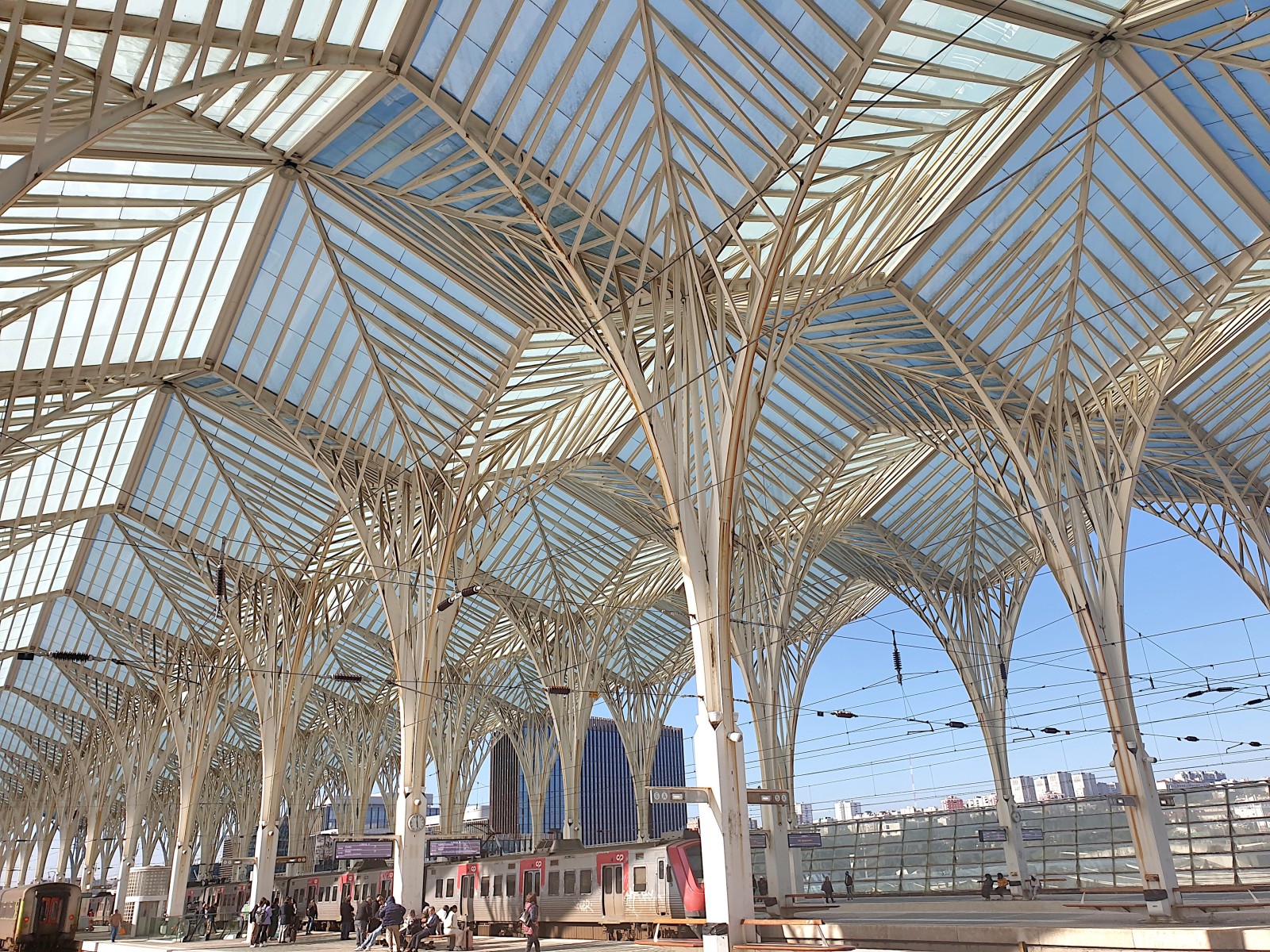
1. Route overview: Lisbon, Coimbra and Porto
The route is simple: spend three nights in Lisbon, one night in Coimbra and three nights in Porto. Lisbon offers neighbourhoods, viewpoints, museums and day-trip options. Coimbra breaks up the long journey north and works well as a focused overnight stop. Porto then deserves at least two full days, with a third day available for the Douro Valley, Braga or Guimarães.
Long-distance trains use Lisboa Oriente and sometimes Lisboa Santa Apolónia. Oriente is convenient for the airport and Parque das Nações; Santa Apolónia is closer to the historic centre. Check the departure station on your ticket rather than assuming every service leaves from the same place.
Coimbra’s principal long-distance stop is Coimbra-B, not the old-town station. Allow time and money for a local connection, bus or taxi into the centre. In Porto, long-distance services generally arrive at Porto-Campanhã; the metro and local trains connect it with central districts and São Bento.
Typical journey times are approximately 1 hour 35 minutes to 2 hours from Lisbon to Coimbra-B, and about 1 hour to 1 hour 20 minutes from Coimbra-B to Porto-Campanhã. A direct Lisbon–Porto train is usually around three hours, but splitting the journey gives you a worthwhile city rather than just a platform change.
2. Booking tickets and understanding train types
CP, Comboios de Portugal, is the national rail operator. The two useful long-distance categories on this corridor are Alfa Pendular and Intercidades. Alfa Pendular is generally faster and more modern. Intercidades may offer more departure choices and can be the better value when the cheapest advance fares have sold out.
Use the official CP website or official ticket offices and machines. Search for the actual stations: Lisboa Oriente or Santa Apolónia, Coimbra-B and Porto-Campanhã. Advance fares can be cheaper but may be train-specific and less flexible. If your hotel or flight connection is uncertain, paying more for a flexible option can be sensible.
Arrive at the station early enough to find the platform and deal with luggage, especially at Oriente. Keep the booking reference and identification used for the ticket available. On long-distance services, seats are reserved; check the coach and seat number before boarding. Do not build a same-day international flight connection around the last train of the evening.
3. Day-by-day itinerary with realistic transit time
Days 1–3: Lisbon
Use the first morning to settle into Lisbon, then explore Baixa, Chiado and Alfama in compact walking loops. Lisbon’s hills make a map distance look deceptively short, so group sights by neighbourhood instead of crossing the city repeatedly. Keep one afternoon for Belém or a museum, and reserve the third day for Sintra only if you are comfortable with an early start and crowds.
For the train journey north, choose a departure that leaves a buffer after check-out. The station is not a sightseeing stop: allow time to reach Oriente or Santa Apolónia, find the platform and stow your bag. A morning train gives you most of the afternoon in Coimbra; an early afternoon train is less stressful if you want a full Lisbon morning.
Day 4: Coimbra
Take the Alfa Pendular or Intercidades service to Coimbra-B. After transferring to the centre, check in or leave bags and walk uphill through the old town. The University of Coimbra, Paço das Escolas and the Baroque Joanina Library are the headline sights, but timed entry and seasonal opening rules matter, so check the university’s official booking information before planning the day around a single slot.
Allow at least three hours for the university area, then walk down through the Sé Velha and the narrow lanes towards the Mondego. Coimbra is a good place not to over-plan: one evening is enough for the historic core, a meal and a riverfront walk. If you prefer two nights, use the extra day for nearby Conímbriga or a slower visit.

Days 5–7: Porto
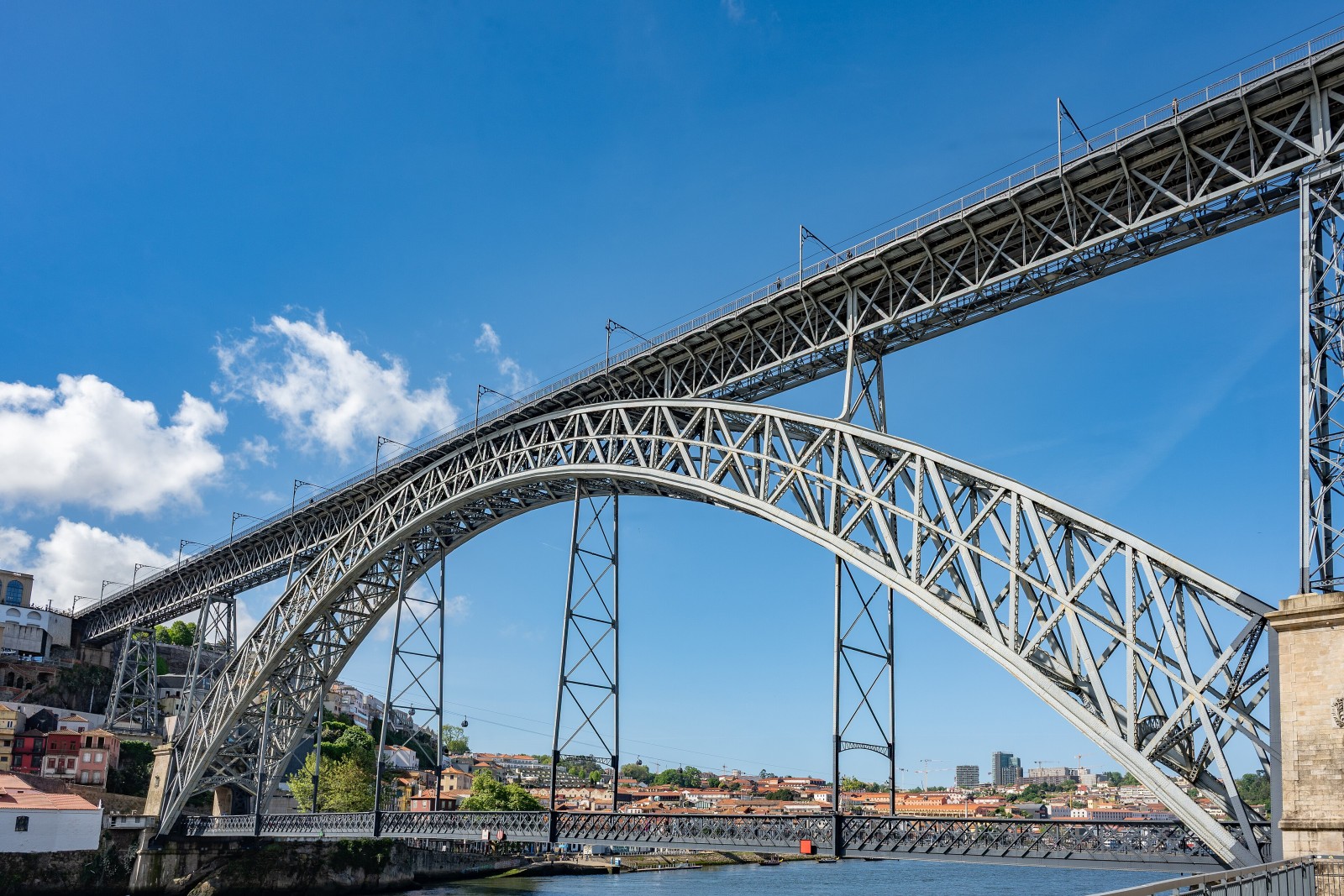
Take a morning train from Coimbra-B to Porto-Campanhã. The journey is short enough that there is no advantage in leaving before breakfast unless you want a very full first day. From Campanhã, continue by metro or local train to your accommodation and start with a manageable area: São Bento, the cathedral, Rua das Flores and the upper level of Dom Luís I Bridge.
On the second Porto day, explore Ribeira and Vila Nova de Gaia, but leave time for hills and queues. Choose one port-wine lodge or tasting rather than trying to visit several. The third day can stay in Porto for markets, churches and the Serralves area, or become an extension to the Douro, Braga or Guimarães. Check return times before committing to a day trip.
4. Estimated budget and luggage tips
For planning, allow roughly €35–€80 per person for the two long-distance legs when booked in advance, with the exact total depending on train, fare class and date. Add local transport, station transfers and occasional taxis. A realistic mid-range daily budget excluding accommodation is about €45–€80 for meals, local transport and paid sights; budget travellers can spend less by using bakeries, markets and free viewpoints.
Pack one cabin-size suitcase or backpack if possible. CP says passengers are responsible for hand luggage and should place it in the designated storage areas or under the seat; excess luggage on Alfa Pendular and Intercidades can attract a supplementary charge. A smaller bag also makes Coimbra-B transfers, Lisbon hills and Porto’s cobbled streets much easier.
Do not leave valuables in an unattended bag. Label luggage, keep medication and documents in a day bag, and avoid blocking seats or aisles. Travellers with reduced mobility should check station access and arrange assistance in advance; Coimbra-B and historic districts are not equally convenient for every traveller.
5. Optional extensions and common mistakes
With one extra night, add Braga or Guimarães from Porto. If landscapes matter more than another city, consider two nights in Porto and a separately planned Douro excursion, checking seasonal service and return times. With two extra nights, add Aveiro or extend Coimbra for Conímbriga. Avoid trying to combine Sintra, Coimbra and Porto in a single rushed transfer day.
The most common mistakes are booking by city name without checking stations, choosing a non-refundable fare before the itinerary is stable, forgetting the Coimbra-B transfer and assuming every train has the same luggage space. Another mistake is treating timetable duration as door-to-door time: add at least 30–45 minutes for station transfers and arrival in central accommodation.
Quick reference: the seven-day plan
| Day | Sleep | Focus | Planning note |
|---|---|---|---|
| 1 | Lisbon | Baixa, Chiado, Alfama | Keep the first walk compact. |
| 2 | Lisbon | Belém or museums | Group sights by area. |
| 3 | Lisbon | Lisbon or Sintra | Sintra needs an early start. |
| 4 | Coimbra | Train, university, old town | Book university entry ahead. |
| 5 | Porto | Train, São Bento, cathedral | Allow time from Campanhã. |
| 6 | Porto | Ribeira and Gaia | Choose one wine lodge. |
| 7 | Porto | Porto or day trip | Check the return timetable. |
Frequently asked questions
Is Portugal easy to travel by train?
Yes for the Lisbon–Coimbra–Porto corridor, where CP offers Alfa Pendular and Intercidades services. The main complication is that long-distance stations are not always in the historic centre: Coimbra-B and Porto-Campanhã require a local connection or taxi. The train is a good fit for travellers who prefer not to drive or park in dense cities.
Should I book Portugal train tickets in advance?
Advance booking is useful when your dates are fixed and you want lower promotional fares or a particular departure. Flexible fares cost more but reduce the risk of losing money if plans change. Check the fare conditions before payment and verify the station shown on the ticket.
Can I take a large suitcase on Portuguese trains?
Small hand luggage is the easiest option. CP provides luggage areas, but passengers are responsible for their belongings and excess luggage may incur a charge on Alfa Pendular and Intercidades. A compact suitcase is much more practical for station transfers and cobbled historic districts.
Is Coimbra worth an overnight stop?
Yes if you want the University of Coimbra, a historic centre and a slower break between Lisbon and Porto. One night covers the main sights without turning the itinerary into a series of rushed check-outs. Stay two nights if you want Conímbriga or more time for the university quarter.
Final thoughts
For a first trip without a car, Lisbon–Coimbra–Porto is the most balanced seven-day Portugal train itinerary: three nights in the capital, one focused night in Coimbra and three nights in Porto. Book the long-distance legs once your dates are firm, travel with one manageable bag and treat station transfers as part of the journey rather than an afterthought.
Sources and fact-check: CP — Comboios de Portugal for routes, timetables, ticketing and luggage; Visit Portugal for the national rail overview. Fares, schedules, attraction hours and accessibility details should be checked again for the reader’s dates. Images: Wikimedia Commons files, used under their respective free licences; verify attribution records before reuse.