A First-Timer’s Food Guide to Mexico City
A useful trip is built around realistic choices rather than an overloaded checklist. This guide focuses on practical decisions, trade-offs and simple ways to keep plans flexible without losing the character of the destination.
Street food essentials and regional dishes
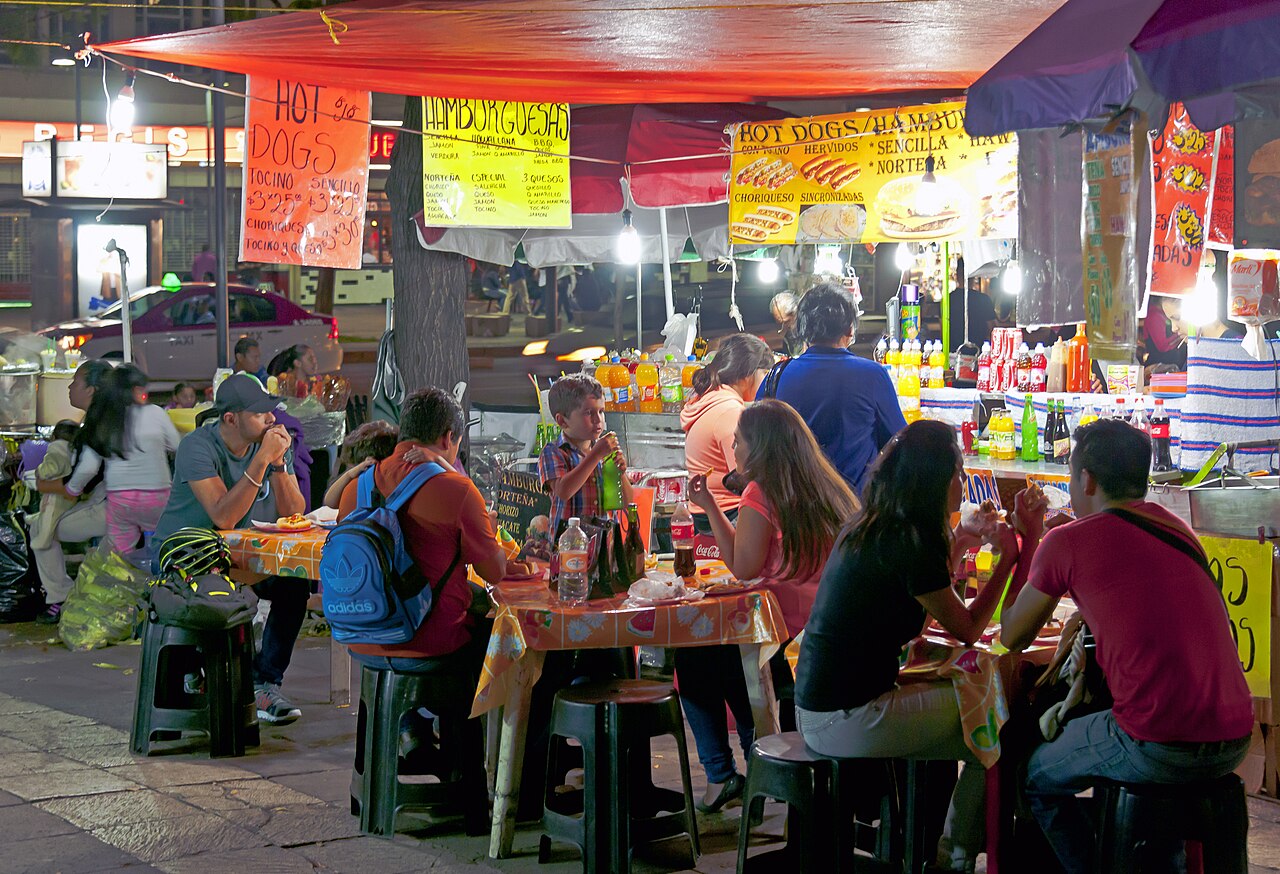
Mexico City rewards curiosity, but a first food day is easier when you understand the rhythm. Tacos, tamales, quesadillas and tlacoyos vary by stall and region, so treat the menu as a starting point rather than a fixed global recipe. Look for busy stalls with a clear flow of ingredients and customers.
Order one portion first, watch how it is assembled and ask about heat if you are unsure. Try a mix of familiar and unfamiliar dishes, but do not turn every meal into a challenge. Agua fresca can be refreshing, while travelers sensitive to sugar should ask what has been added.
Markets and neighborhoods
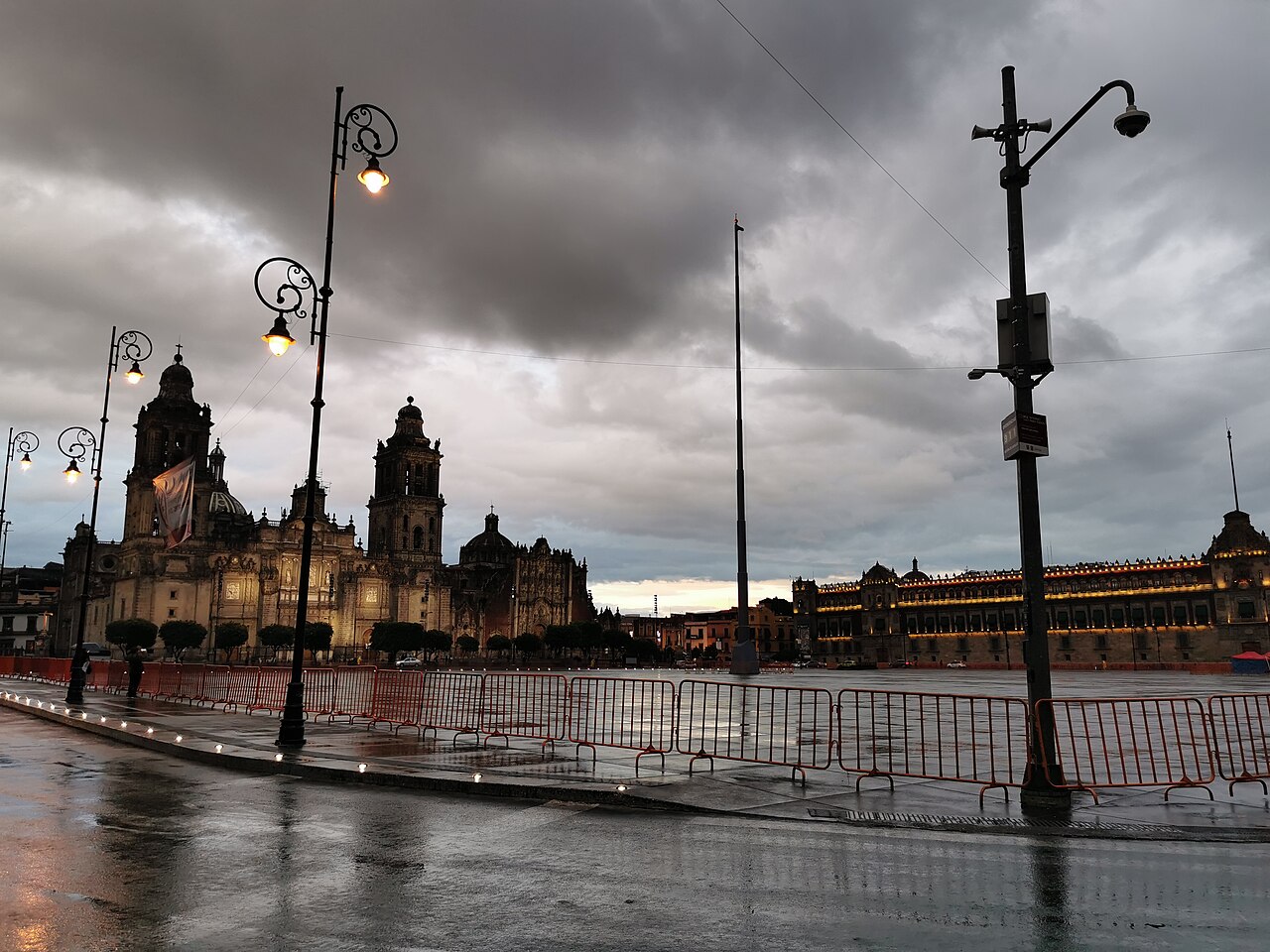
Markets are useful for seeing ingredients and everyday eating, while neighborhoods provide a more comfortable way to compare cafés, bakeries and restaurants. Roma and Condesa are easy starting points, Centro offers history and busy food streets, and Coyoacán works well for a slower daytime visit.
Use one market and one neighborhood per day rather than crossing the entire city for every meal. Mexico City is large, traffic is unpredictable and altitude can make an overpacked schedule tiring. Keep a small cash reserve and protect your phone in crowded areas.
Ordering and tipping etiquette
At a casual stall, point, use simple Spanish food words and be patient during a busy rush. In restaurants, ask whether a dish is spicy, how large it is and whether service is included. A tip is customary for table service, but check the bill instead of paying twice.
Photographs can help when language is limited, but do not block the line or handle food without permission. If you need a dietary change, explain it clearly before ordering; a dish without one ingredient may still use a shared sauce or cooking surface.
Food hygiene and allergies
Choose places with high turnover, clean work surfaces and ingredients stored sensibly. Busy does not guarantee safety, but a stall that repeatedly serves fresh food is often easier to assess than one with trays sitting untouched. Be especially clear about allergies and carry a translated allergy card when needed.
Use bottled or filtered water according to current local advice, wash hands before eating and take heat, altitude and alcohol slowly. Allergy travelers should ask about cross-contact, not only whether an ingredient appears in the final dish. Travel insurance and prescribed medication remain important.
A self-guided food-focused day
Start with breakfast at a bakery or market, choose one central lunch stop, then leave time for a neighborhood walk and a small evening meal. This structure lets you compare textures and flavors without turning the day into a checklist.
A useful sequence is breakfast near your accommodation, a market visit before the busiest hours, a seated lunch, a rest period and one carefully chosen dinner. Reserve a restaurant only when it is central to your plan; keep street-food stops flexible.
Quick-reference plan
| Priority | Action |
|---|---|
| Street food essentials and regional dishes | Check conditions before booking |
| Markets and neighborhoods | Keep a weather or transport buffer |
| Ordering and tipping etiquette | Choose one base before adding distance |
| Food hygiene and allergies | Save official information offline |
Frequently asked questions
How far ahead should I plan?
Start with transport and accommodation for the dates that matter most, then keep daily activities flexible. Seasonal services, weather and local opening hours can change, so verify official information close to departure.
Can I do this trip without a car?
Yes, if you choose a realistic base and accept that some remote sights require a tour, taxi or longer transfer. A smaller route with buffers is usually more enjoyable than a complete checklist.
What should I verify before departure?
Check official transport, entry, weather, safety and local authority pages. Save tickets, addresses and emergency information offline, and confirm cancellation terms for fixed bookings.
Final thoughts
Choose fewer fixed commitments, verify official information and leave room for weather, transport and local rhythm. That approach makes the trip more resilient and usually more rewarding.