How to Plan an Iceland Road Trip
Iceland rewards a flexible road-trip plan: the same route can move from sunshine to wind, snow or a road closure within hours. Good preparation is less about squeezing every waterfall into five days and more about matching the season, vehicle and daily distances to conditions. This guide gives practical Iceland road trip tips for independent travelers: how to check roads, when a normal car is enough, and when the Highlands require a different plan. It uses official Icelandic safety and road-information sources and makes no claim of firsthand travel.
1. Choosing the season and route
Let the season set your ambitions. Summer’s long daylight makes the Ring Road easier to divide into manageable days, but accommodation and popular sights book early. Spring and autumn are quieter, with shorter daylight and more variable conditions. Winter can offer northern lights, yet ice, wind and limited daylight may make a planned itinerary unsafe. Five days suits a highlights trip, not a leisurely complete circumnavigation.
For a first visit, choose one region. A southwest loop can combine Reykjavík, the Golden Circle, the south coast and Vík. The Ring Road needs more time; the Westfjords and remote northern detours need more still. Keep a spare half-day or day for poor visibility, delays or a decision to stop driving.
The Highlands are different. F-roads are rough mountain routes, often seasonal and sometimes crossed by rivers. Opening status varies by road. Check Vegagerðin before committing, and confirm your rental agreement and vehicle permit the exact road. A large vehicle is not automatically suitable for every crossing.
2. Rental car, insurance and driving rules
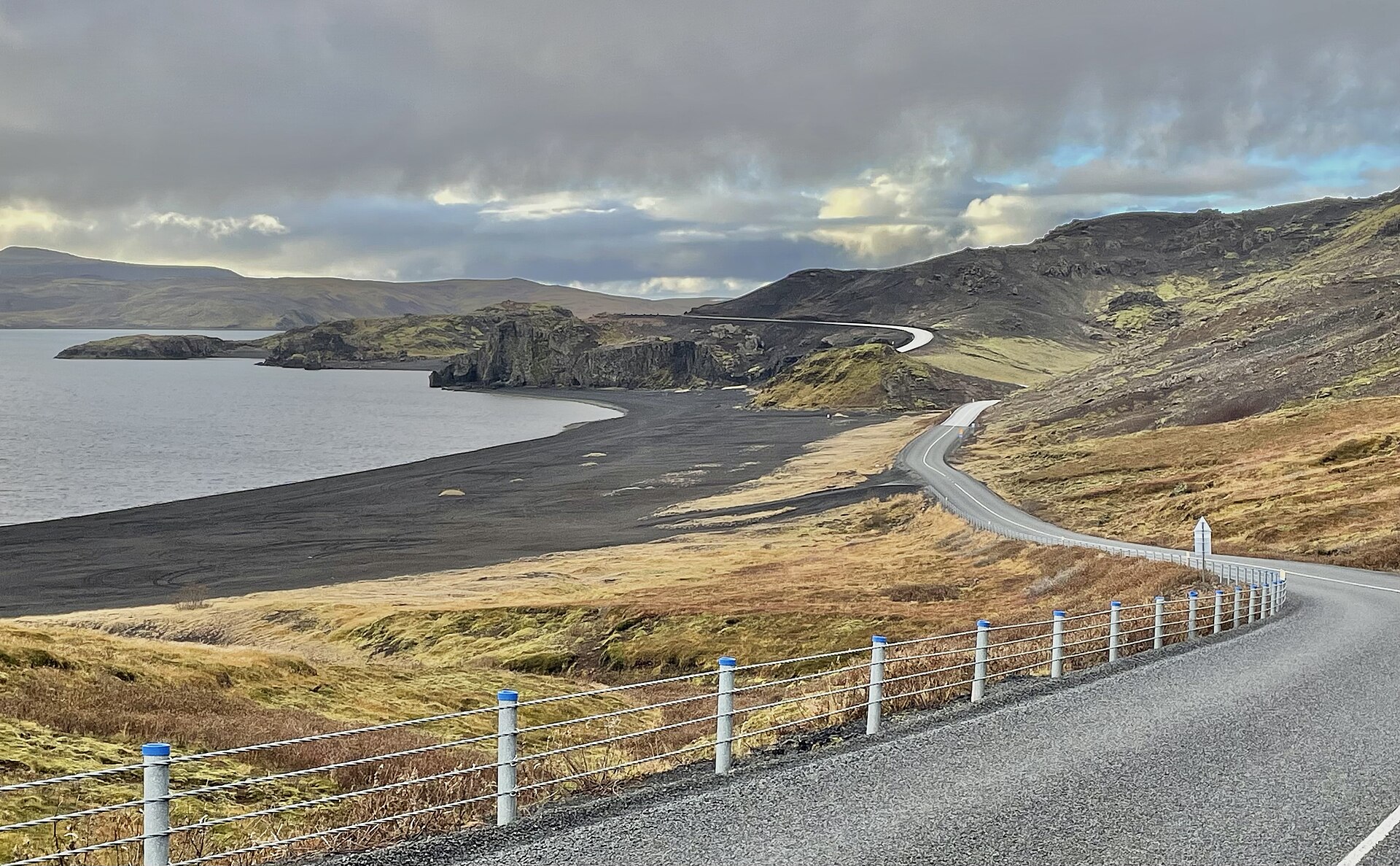
Choose a car for the roads you will actually drive. A small two-wheel-drive car suits paved main routes in favorable conditions and reduces fuel costs. Four-wheel drive may provide clearance and traction, but it cannot make closures, severe weather or unsafe crossings safe. If using F-roads, ask the rental company in writing whether those roads are permitted and whether river damage is excluded.
Read insurance before paying: compare the excess, gravel, sand-and-ash, theft and water-damage terms. Photograph the vehicle at pickup and record existing damage. Keep the contract and emergency number accessible.
Iceland drives on the right. Wear seat belts, use headlights, follow posted limits and slow for gravel, blind rises, narrow bridges and animals. Pull completely off the road before photographing; never stop on a bridge or passing place. Off-road driving is prohibited because vegetation recovers very slowly. Use marked parking and respect closures.
3. Weather and road safety checks
Make checking conditions a daily routine. Read the Icelandic Met Office forecast and warnings for every region on your route. Conditions can differ sharply between lowlands and mountains, and wind may matter more than temperature for a high-sided car. If the map and text differ, the Met Office says the text forecast applies. Recheck before departure.
Then consult road.is (also associated with umferdin.is) for conditions, cameras, closures and disruptions. Vegagerðin provides road and mountain-road information and traffic service 1777. A road marked difficult or closed is a planning instruction, not a challenge. Use official services as the final reference.
Check SafeTravel Iceland for alerts and safety advice. Save 112, Iceland’s emergency number, and tell someone your route when heading remote. Keep fuel above empty because services are sparse. If wind, ice, blowing snow, poor visibility or fatigue develops, stop safely and wait or turn back. Do not drive onto a closed road. At attractions, obey barriers around cliffs, surf, glaciers and geothermal areas, and stay on marked paths.
4. Sample five-day route with alternatives
This assumes favorable weather. Treat it as a framework, not a promise.
- Day 1—Reykjavík to the Golden Circle: Þingvellir, Geysir and Gullfoss, then a base near Selfoss. If arrival is late, stay local and move the loop.
- Day 2—South coast to Vík: Seljalandsfoss and Skógafoss, then Vík. Check wind and surf warnings and shorten the day if conditions worsen.
- Day 3—Vík to Skaftafell or Jökulsárlón: Pick one or two stops and stay nearby. Road conditions and daylight set the pace.
- Day 4—Return west: Retrace the coast, or use the buffer for missed stops. A slower Vík day is better than a punishing return drive.
- Day 5—Reykjavík or nearby peninsula: Return with airport margin. With extra nights, add Snæfellsnes rather than forcing the whole Ring Road.
Want the Highlands? Replace, do not append, a south-coast day only after checking opening status, forecast, vehicle permission and experience. A guided excursion can be safer than a specialized self-drive plan.
5. Packing and budget considerations
Pack waterproof layers, a warm mid-layer, hat, gloves and sturdy footwear. Bring a refillable bottle, snacks, power bank, payment backup and first-aid kit. A phone mount and offline map help when coverage is inconsistent. In winter or shoulder season, add an ice scraper and ask what the rental supplies.
Budget for insurance, fuel, accommodation, parking, meals, activities and an extra night. A smaller suitable car, some self-catering and two bases can reduce costs. The cheapest rental is poor value if it excludes your intended roads. Review cancellation terms because weather changes are realistic.
Plan each night around the next morning’s drive rather than choosing accommodation only by the lowest rate. A remote bargain can become expensive if it forces a long detour for fuel or food. Confirm check-in arrangements if arriving late, and download reservation details before leaving town. Keep a modest emergency reserve for a weather-related room change, replacement transport or an unplanned meal. Travelers with mobility needs should ask properties and attractions about surfaces, parking and accessible facilities in advance; conditions at natural sites can be uneven even when a path is officially open.
Quick planning guide
| Decision | Practical choice | Check |
|---|---|---|
| Five days | Southwest and south coast | Daylight and buffer |
| Vehicle | 2WD for suitable paved routes | Restrictions and insurance |
| Highlands | Only when open and suitable | Vegagerðin and forecast |
| Departure | Leave after checks | Road.is, Met Office, SafeTravel |
| Change | Delay, shorten or turn back | Fuel and flexibility |
Frequently asked questions
Is five days enough?
Yes for a paced southwest and south-coast itinerary, not comfortably for the full Ring Road. Use a few bases and keep a buffer. If a closure affects the plan, stay in one region rather than recovering stops with an exhausting drive.
Do I need a 4x4?
Not automatically. A suitable 2WD works on paved main routes in good conditions. A 4x4 may suit permitted mountain roads, but it cannot override closures or make river crossings safe. Confirm exact road permissions and exclusions with the rental company.
How do I check roads?
Use road.is for conditions, closures and cameras; Vegagerðin for mountain-road status; and the Met Office for forecasts and warnings. SafeTravel provides safety alerts. Recheck before departure and during the day, and change plans when official information is unfavorable.
What if weather changes?
Slow down, increase distance and stop at a legal safe place if visibility or control worsens. Do not stop on a bridge or lane. Tell accommodation about delays and call 112 in an emergency. Never bypass a closure.
Final thoughts
The reliable Iceland road trip plan has priorities, not just map pins: match route to season, rent only the vehicle needed, and check official road and weather information daily. For five days, base around the southwest and south coast, preserve a buffer, and treat turning back as a successful safety decision.
Source log
- road.is — official road conditions, closures and cameras.
- Vegagerðin — mountain roads and traffic service 1777.
- SafeTravel Iceland — safety guidance and alerts.
- Icelandic Met Office — forecasts, warnings and observations.